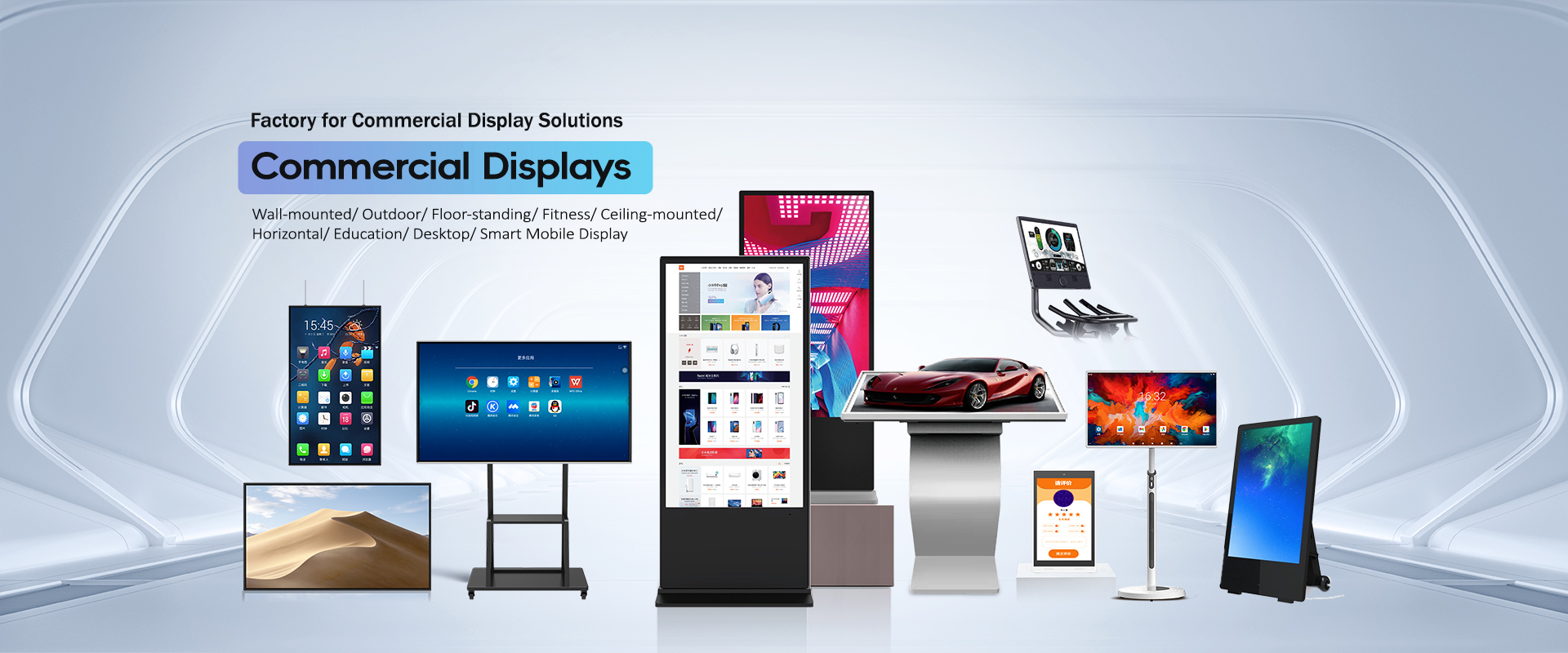
Digital signage
Indoor and outdoor signage lines, from wall panels to floor-standing totems.
View the lineVelmora · Commercial display hardware
RANGE — SIGNAGE · TABLETS · NOTEBOOKS · KIOSKS · POS · MIRRORS · FRAMES · MONITORS
Velmora is the export brand of a Shenzhen display hardware maker founded in 2003. The range below is the working catalogue for importers, resellers and project contractors: every line is a hardware line the factory builds today.
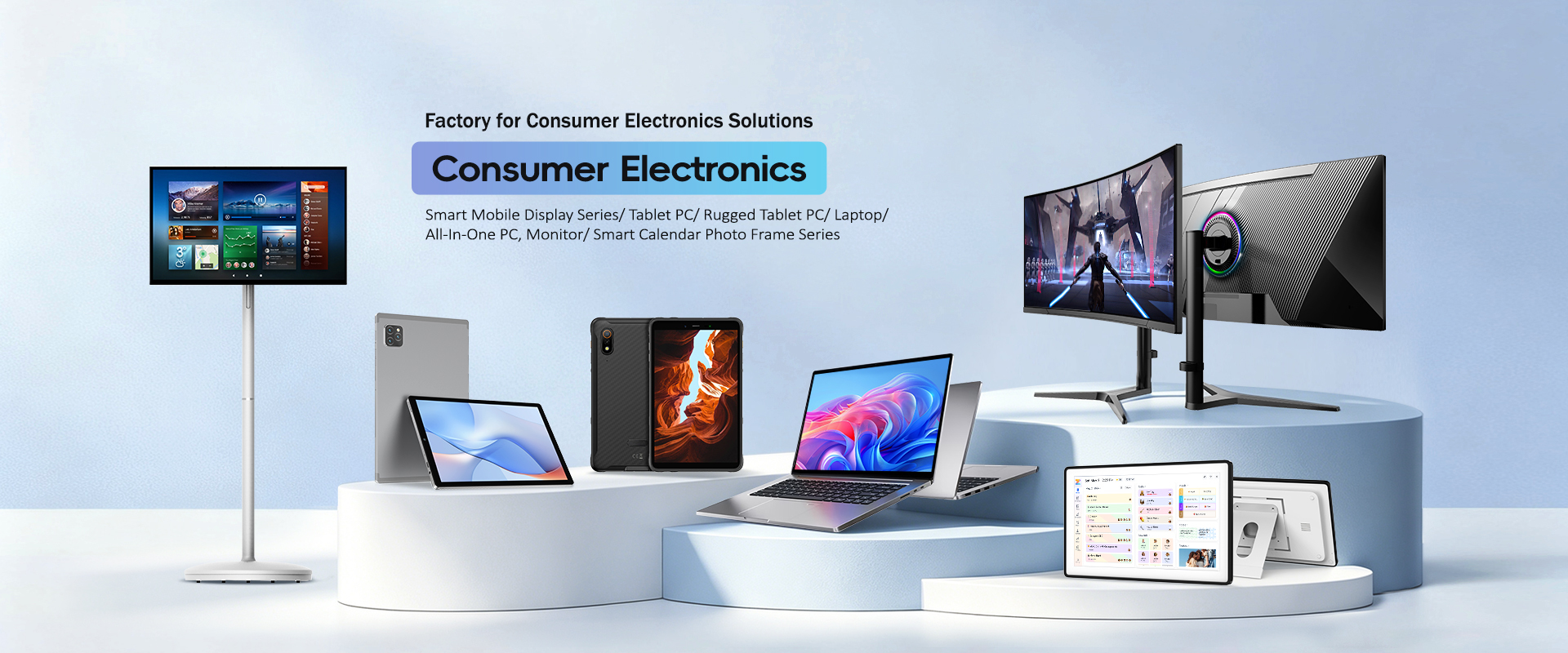
Signage is the core of the range. The indoor lines cover wall-mounted, floor-standing and desktop displays for stores, lobbies and campuses, while the outdoor series is built as a separate high-brightness line with its own model pages, so you can check the figures that matter for a sunlit site before you commit to a quantity.
Indoor and outdoor signage lines, from wall panels to floor-standing totems.
View the line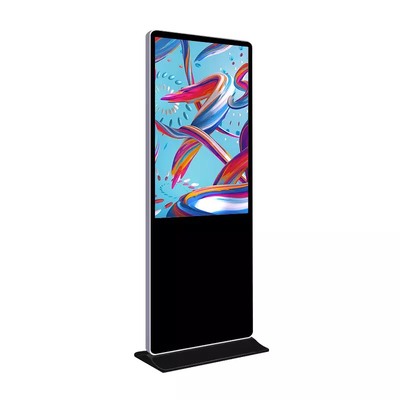
A dedicated outdoor category with a four-size series for daylight sites.
View the line
Two computing lines sit alongside the displays. The tablet range is anchored by a 13.3 inch Android model with published configuration options, and the notebook range is built around classroom projects, with a 14.1 inch education laptop as the reference model. Both lines carry full model pages for their reference models.
The two lines answer different classroom jobs: tablets for individual learners, laptops where a keyboard and a larger working screen matter. The model pages keep the published configuration figures together — screen, memory and storage options, battery — so a programme manager can cost a classroom set without chasing a separate datasheet for each claim.
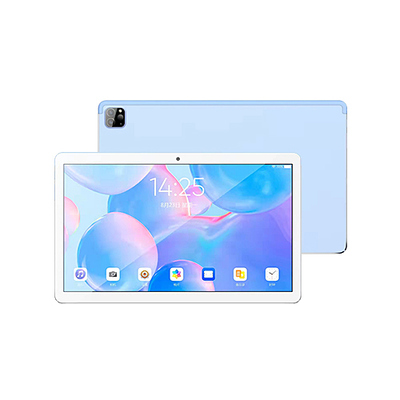
Tablet PCs for education and business rollouts, with the 133MA-L as the documented model.
View the line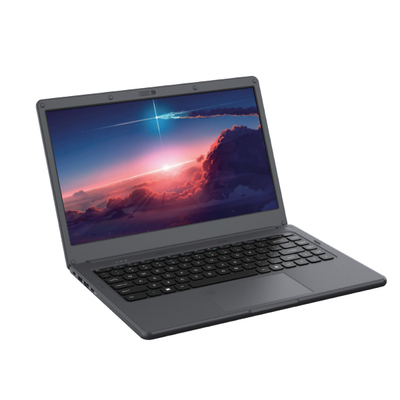
Notebooks in the 14 to 17.3 inch band for schools and training projects.
View the line
Self-service hardware is the third block: ordering and information kiosks, counter POS terminals and smart mirrors. These are the lines that face the customer directly — at the ordering point, the till and the mirror — and they are also the lines where configuration questions matter most, so each category page lists what to settle in the inquiry before pricing is meaningful.
The kiosk line includes a dual-screen self-ordering model sized for restaurant counters, and the category page walks through the peripherals and payment questions that decide whether a kiosk quote is complete. POS terminals and smart mirrors belong to the same counter projects, so the three lines are grouped together here and in the product index.

Ordering and information kiosks, including a dual-screen self-ordering model.
View the line

The remaining lines round out the catalogue: smart calendar frames in four sizes that double as digital photo frames, a three-size smart monitor series, and a portable 32 inch touch display on a stand for rooms that change layout often. Each line has its own category page and, where the line has named models, its own model pages.
These are the lines whose inquiry questions are easiest to underestimate: a calendar frame order turns on which sizes go to which rooms, and a smart monitor order turns on whether the smart layer or the panel is doing the work. The category pages separate those questions, so each can be settled on its own page before the inquiry is written.
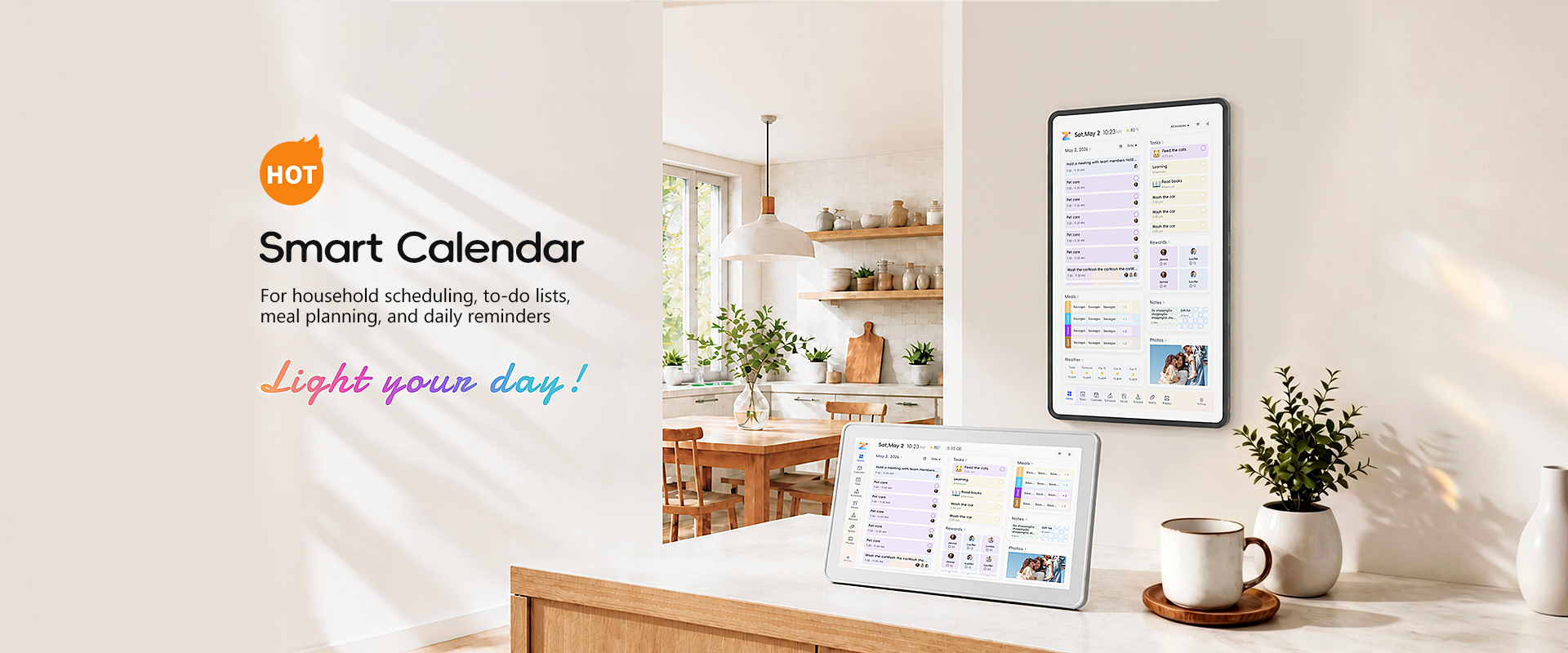
PF series frames from 10.1 to 27 inches for homes, offices and care settings.
View the line
MS series monitors in 24, 27 and 32 inch sizes with a smart display layer.
View the line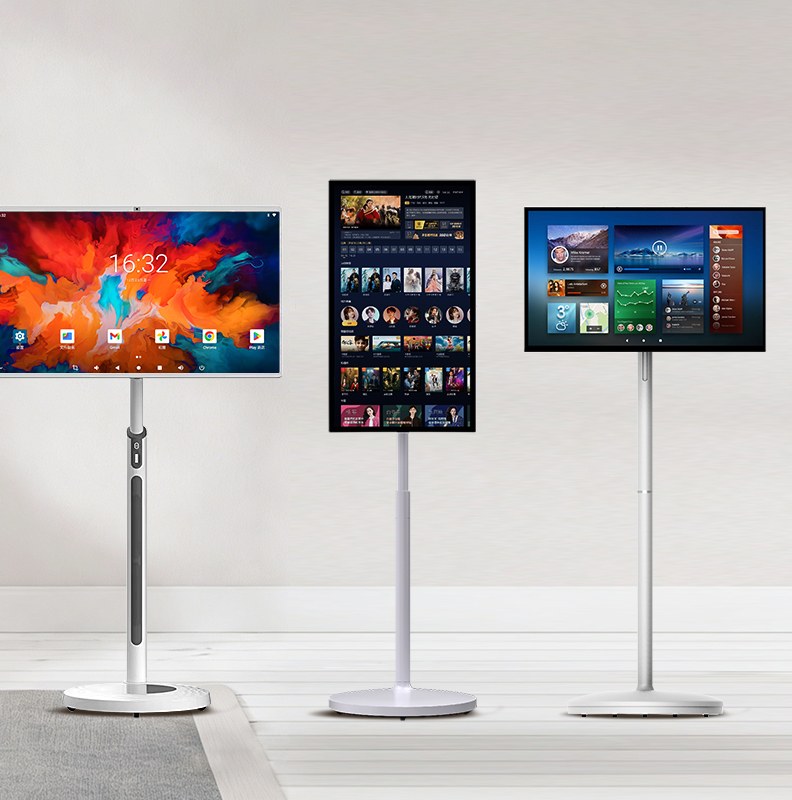
Four short guides collect the questions that decide these lines, so you can settle the decisions that belong to you before the inquiry starts:
Display hardware is configuration business: the same model name can ship with different panels, memory or mounting. The fastest route to an accurate quotation is to settle the points below in your first inquiry rather than after a price has been quoted against the wrong build.
None of these points requires a technical department to answer. They are the commercial facts of your own project — what you are buying, how many, for which market, by when — and putting them in the first message lets you ask for a quotation against them instead of receiving a questionnaire. That is the whole purpose of the confirmation list: it moves the questions that decide the price to the front of the conversation, where they are cheap.
Nothing on this site is priced like a retail listing, and that is deliberate. Project buyers order configurations, not single units off a shelf: a signage rollout mixes sizes, a school programme fixes one laptop build for a whole cohort, a restaurant group standardises one kiosk across branches. The catalogue is organised to support that way of buying — lines first, then series, then the models with published figures — so the shortlist is built in one pass, line by line, before a single inquiry is written.
It also means some familiar retail furniture is missing on purpose. There are no star ratings, no stock counters and no sale banners, because none of those would tell a project buyer anything true about the hardware. What replaces them is the working material of a project purchase: the figures for each model, and the open questions stated plainly — the ones to settle in the inquiry, against a written quotation.
If you import or resell display hardware, the catalogue is organised by line and size first, by model where a line has named models. That makes range planning a single exercise — choose the lines your channel serves, anchor each with its documented models, and let the category pages carry the families that sell by configuration. The series pages are built for that planning moment: one table per series, with every size in it.
The private questions of channel buying — packaging, labelling, documentation for a target market — are quotation questions: put them in the inquiry and ask for the answers in writing, per order. Ask for model-specific test reports and declarations for your target market before ordering, and name the market in the inquiry, so the paperwork your customers will ask you for can be settled against your model in that quotation.
| Line | Anchor product or series | Start here |
|---|---|---|
| Digital signage | Indoor lines plus the IOT049RO outdoor series | /digital-signage/ |
| Tablets | 133MA-L 13.3 inch Android tablet | /tablets/133ma-l-android-tablet/ |
| Notebooks | EB-i141PD1 14.1 inch education laptop | /notebooks/eb-i141pd1-education-laptop/ |
| Kiosks | 15.6 inch dual-screen self-ordering kiosk | /self-service-kiosks/ |
| Calendar frames | PF series, 10.1 to 27 inches | /smart-calendar-frames/pf-series/ |
| Smart monitors | MS series, 24 to 32 inches | /smart-monitors/ms-series/ |
Model names and sizes in this table are the ones the manufacturer's own listings publish. Anything beyond them — a panel option, a memory configuration, a mounting variant — is settled in the quotation, not assumed from the table.
Send the inquiry form with the line, sizes and quantities you are working on. Ask for the quotation in writing, with the configuration it prices stated on it, so you can compare like with like across suppliers. Any figure your project turns on is a question for that quotation: order-specific terms are confirmed in the quotation.
Category pages describe the shape of a line and the questions that decide a purchase; series pages collect the named models; model pages carry the figures for each model. Options beyond the named builds — a panel option, a battery variant, an enclosure rating — are settled the same way: name the one your project needs in the inquiry.
Send the inquiry form with your project details
Tell us the product line, sizes and quantities in the inquiry form and ask for the quotation in writing, with the configuration it prices stated on it.